

How Massage Therapy Supports Relaxation and Recovery
- Trevor Perry
- Jul 28, 2025
- 4 min read

Massage therapy is a powerful tool that promotes both relaxation and physical recovery. It has been used for centuries to relieve stress, reduce muscle tension, and improve overall well-being. In today’s fast-paced world, finding effective ways to unwind and heal is more important than ever. This article explores how massage therapy works, its benefits, and practical tips to maximize its effects.
Understanding the Science Behind Massage Therapy
Massage therapy involves the manipulation of soft tissues in the body, including muscles, tendons, and ligaments. The primary goal is to improve circulation, reduce muscle stiffness, and stimulate the nervous system to promote relaxation.
When pressure is applied during a massage, it helps increase blood flow to the targeted areas. This enhanced circulation delivers oxygen and nutrients to muscles, which aids in repairing damaged tissues and flushing out toxins. Additionally, massage triggers the release of endorphins, the body’s natural painkillers, which help reduce discomfort and elevate mood.
Key Physiological Effects of Massage Therapy:
Increased blood circulation: Helps muscles recover faster.
Reduced muscle tension: Eases stiffness and soreness.
Stimulation of the parasympathetic nervous system: Promotes relaxation and lowers stress hormones.
Improved lymphatic drainage: Removes waste products from the body.
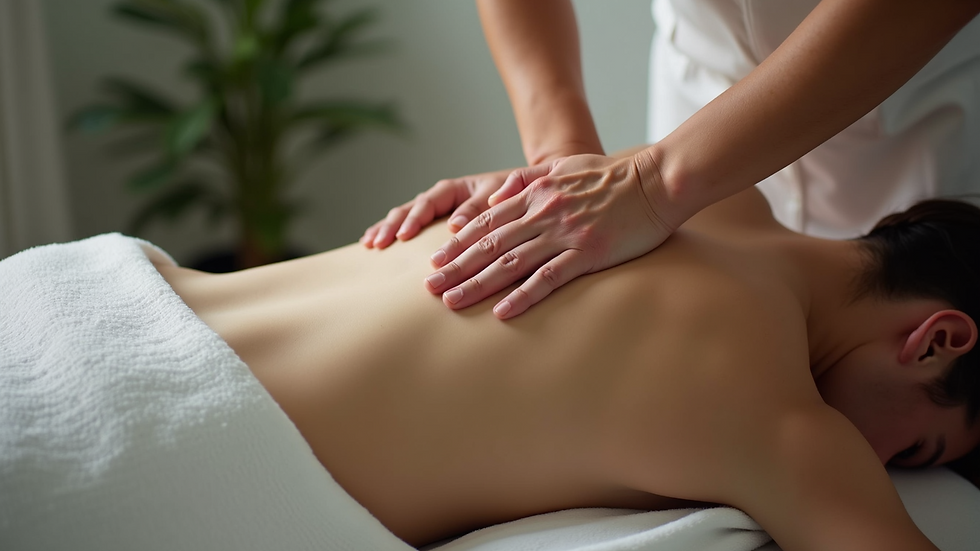
Massage therapy enhances blood flow and muscle relaxation.
How Massage Therapy Enhances Relaxation
Relaxation is one of the most immediate and noticeable benefits of massage therapy. Stress and anxiety can cause muscle tightness and disrupt sleep patterns. Massage helps counteract these effects by calming the nervous system and encouraging a state of deep relaxation.
During a massage session, the body shifts from the fight-or-flight response to the rest-and-digest mode. This shift lowers heart rate, reduces blood pressure, and decreases cortisol levels, the hormone responsible for stress. As a result, clients often feel a profound sense of calm and mental clarity after their session.
Practical Tips to Maximize Relaxation Benefits:
Choose a quiet, comfortable environment: Soft lighting and soothing music can enhance the experience.
Communicate your preferences: Let your therapist know if you prefer gentle or firm pressure.
Practice deep breathing: Focus on slow, deep breaths during the massage to deepen relaxation.
Stay hydrated: Drinking water after a session helps flush out toxins released during massage.

Creating a peaceful environment enhances the relaxation effects of massage therapy.
The Role of Massage Therapy in Physical Recovery
Massage therapy is widely used to support recovery from injuries, surgeries, and intense physical activity. It helps reduce inflammation, relieve pain, and restore mobility. Athletes, in particular, benefit from regular massage sessions to prevent injuries and speed up recovery times.
By breaking down scar tissue and adhesions, massage improves tissue flexibility and range of motion. It also reduces delayed onset muscle soreness (DOMS), which often occurs after strenuous exercise. This makes massage an essential part of many rehabilitation programs.
Examples of Recovery Benefits:
Post-workout muscle relief: Massage reduces stiffness and promotes faster healing.
Injury rehabilitation: Helps restore function and reduce scar tissue buildup.
Chronic pain management: Alleviates symptoms of conditions like fibromyalgia and arthritis.

Massage therapy aids in muscle recovery and injury rehabilitation.
Different Types of Massage Therapy and Their Benefits
There are various massage techniques, each designed to target specific needs. Understanding these can help you choose the best option for your relaxation and recovery goals.
Swedish Massage: Uses long, flowing strokes to promote relaxation and improve circulation. Ideal for stress relief and general wellness.
Deep Tissue Massage: Focuses on deeper layers of muscle and connective tissue. Effective for chronic pain and muscle tightness.
Sports Massage: Tailored for athletes, it combines techniques to enhance performance and speed recovery.
Trigger Point Therapy: Targets specific painful areas to release muscle knots and tension.
Lymphatic Drainage Massage: Stimulates the lymphatic system to reduce swelling and detoxify the body.
Choosing the right type depends on your individual needs and preferences. Consulting with a licensed massage therapist can help you develop a personalized plan.
How to Incorporate Massage Therapy into Your Wellness Routine
Regular massage therapy sessions can significantly improve your quality of life. Here are some actionable recommendations to make the most of this practice:
Schedule consistent appointments: Aim for at least one session per month or more frequently if recovering from injury.
Combine with other wellness practices: Stretching, yoga, and proper hydration complement massage benefits.
Listen to your body: Communicate any discomfort or specific areas of concern to your therapist.
Explore local options: For those in Georgia, consider booking a massage at Soothe to experience professional care close to home.
By integrating massage therapy into your routine, you can maintain better physical health and mental balance.
Embracing the Benefits of Massage Therapy for a Healthier Life
Massage therapy is more than just a luxury - it is a valuable health practice that supports both relaxation and recovery. Whether you are dealing with stress, muscle pain, or simply want to improve your overall well-being, massage offers a natural and effective solution.
By understanding how massage works and choosing the right techniques, you can unlock its full potential. Remember to prioritize self-care and seek professional guidance to tailor your massage experience to your unique needs.
Investing in massage therapy is an investment in your health, helping you feel rejuvenated, balanced, and ready to face life’s challenges with renewed energy.


Comments